
Proxy Guides
Clear explanations of proxy types, protocols, IP strategies, and technical trade-offs.
Follow the Proxy Basics learning path
PROXY PLANS
Turn this proxy research into a plan
Compare private and shared proxy options after reading the category guides, then choose the smallest plan that fits the workflow.
-
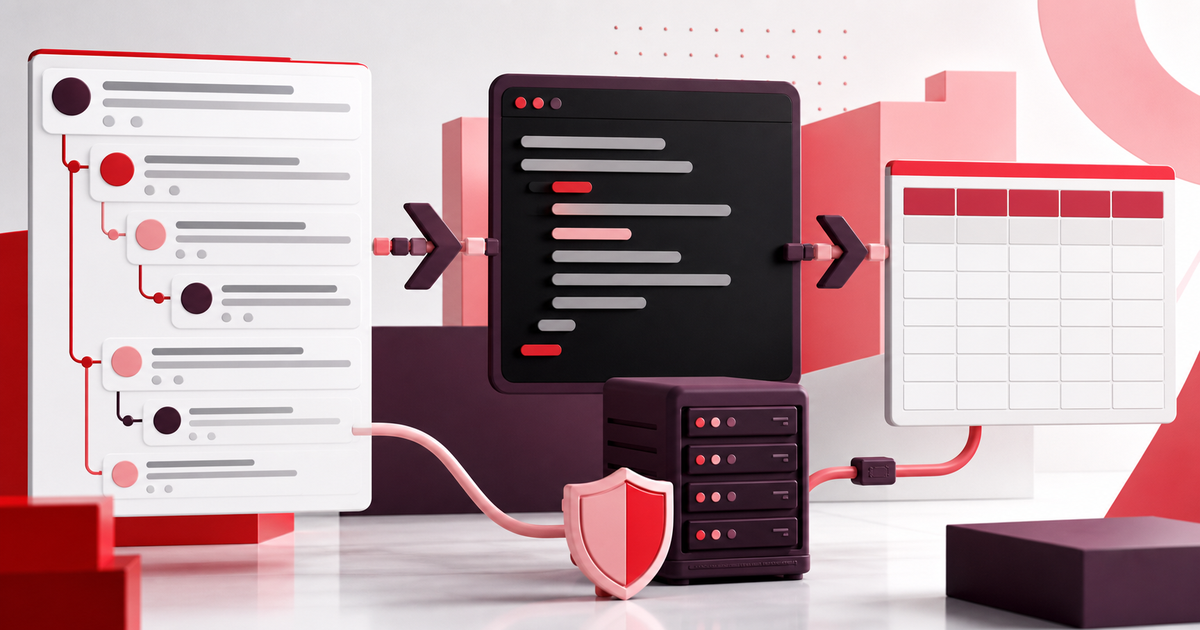
Export YouTube Comments to CSV With Python and yt-dlp
Export a bounded public YouTube comment sample with Python and yt-dlp, optional proxy routing, UTF-8 CSV output, and formula-injection protection.
-

Collect YouTube Search Results With Node.js and the Data API
Collect a bounded, structured YouTube search sample with Node.js and the official Data API, then keep regional browser QA as a separate method.
-
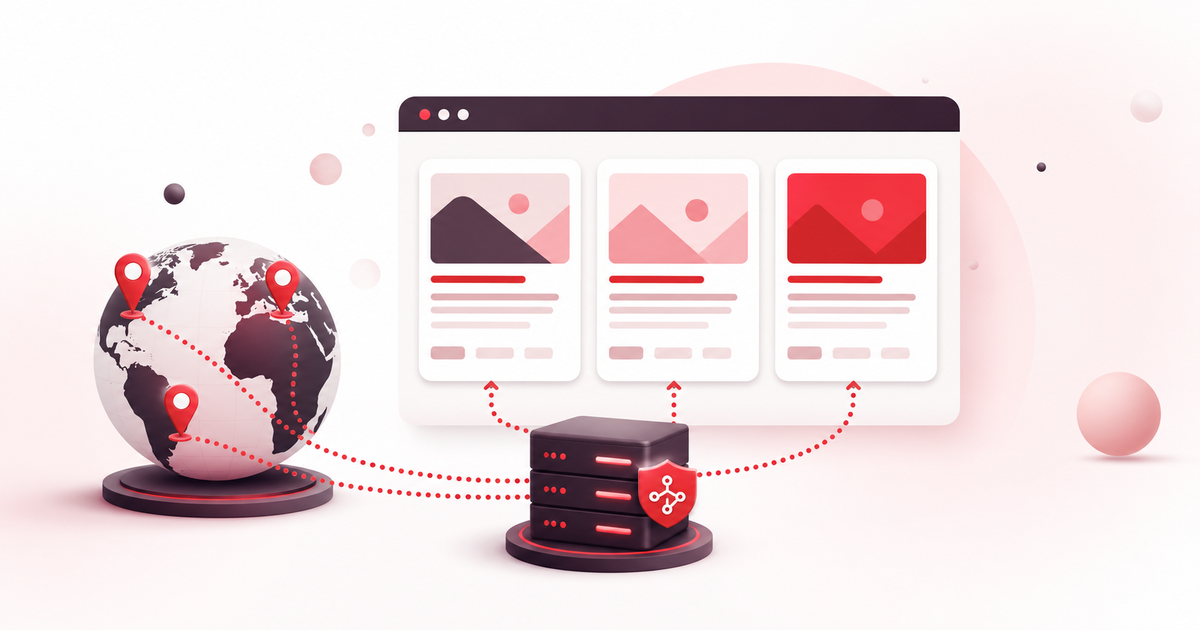
How to Check Google Search Results From Different Locations Using Proxies
Compare one signed-out Google query across two markets with verified exits, controlled browser settings, and a result-type test sheet.
-
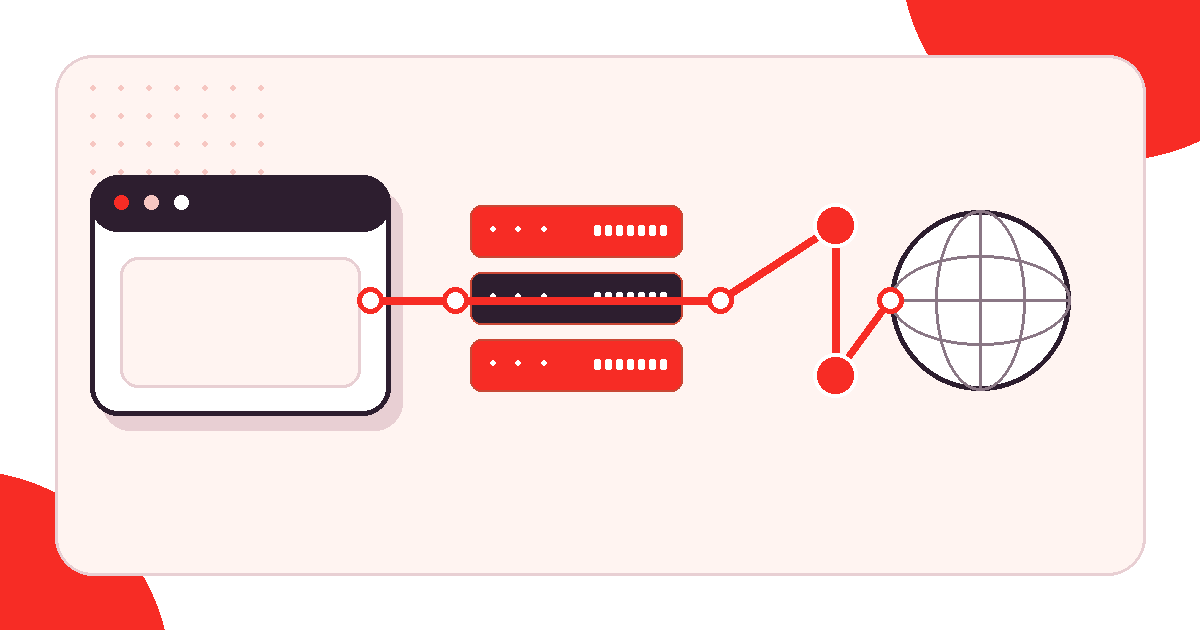
What Is an IP Proxy? Addresses, Ownership, and Compatibility
An IP proxy relays supported traffic through an exit address. Separate gateway and exit IPs, compare IPv4 and IPv6, and verify ownership and behavior.
-
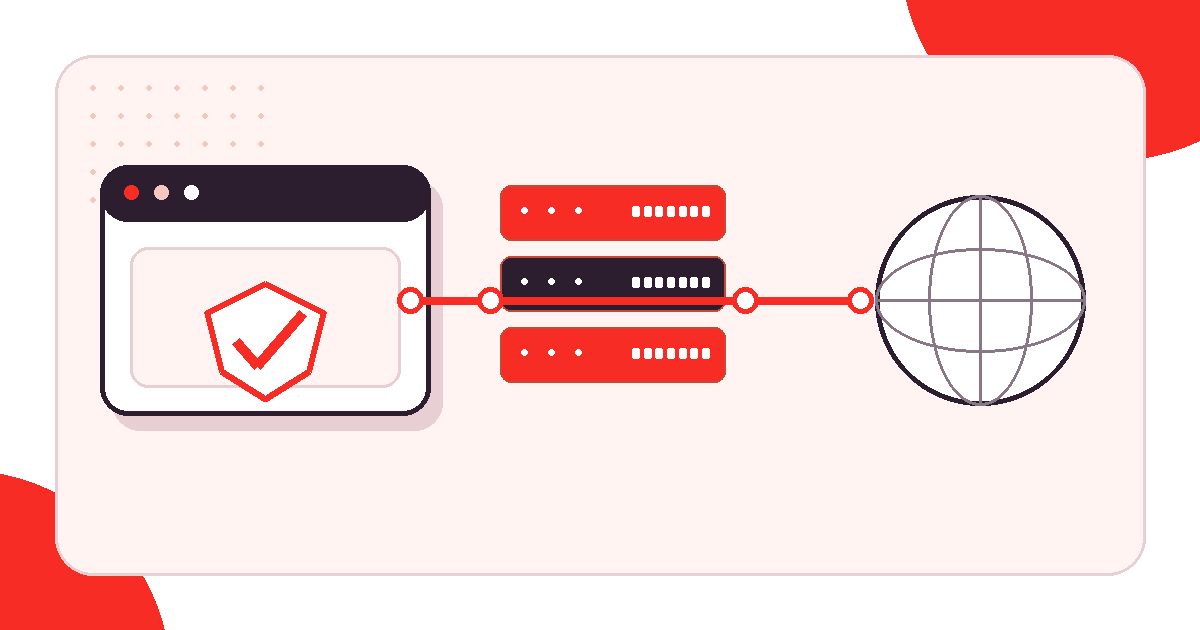
What Is a Proxy Server? Meaning, How It Works & Types
A proxy server relays an application’s traffic through an intermediary. Learn the request path, what changes, what remains visible, and how to verify the route.
-
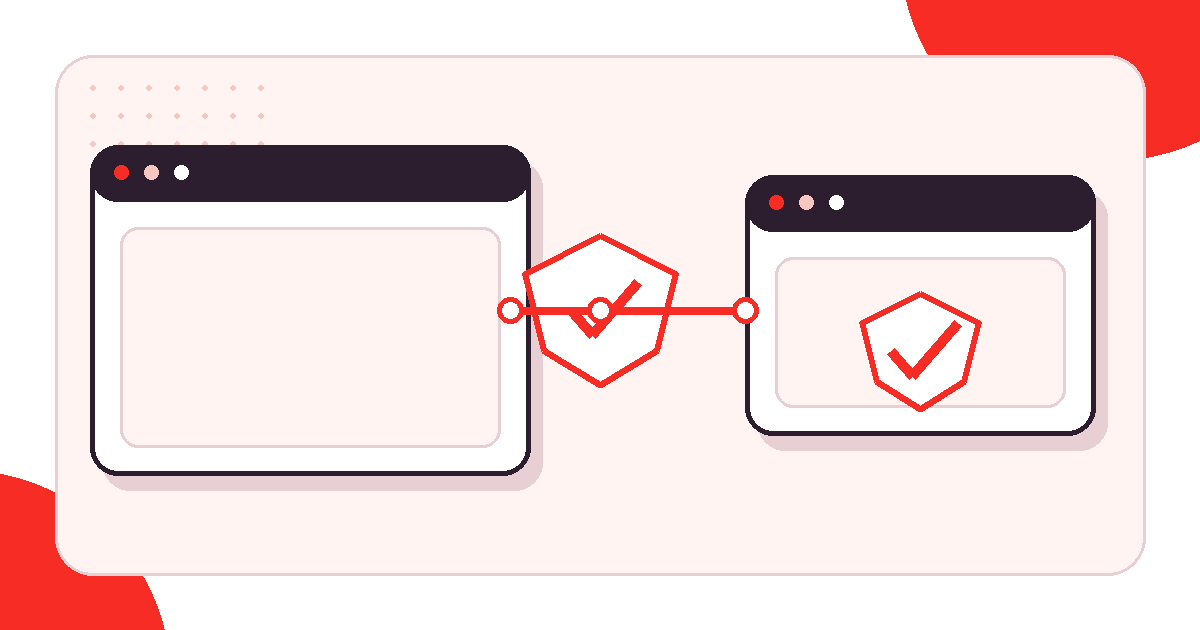
Proxy Sites: Risks, Safety Checks, and Better Alternatives
Understand how proxy sites work, what they can see, which warning signs to avoid, and when configured proxy alternatives are safer.
-
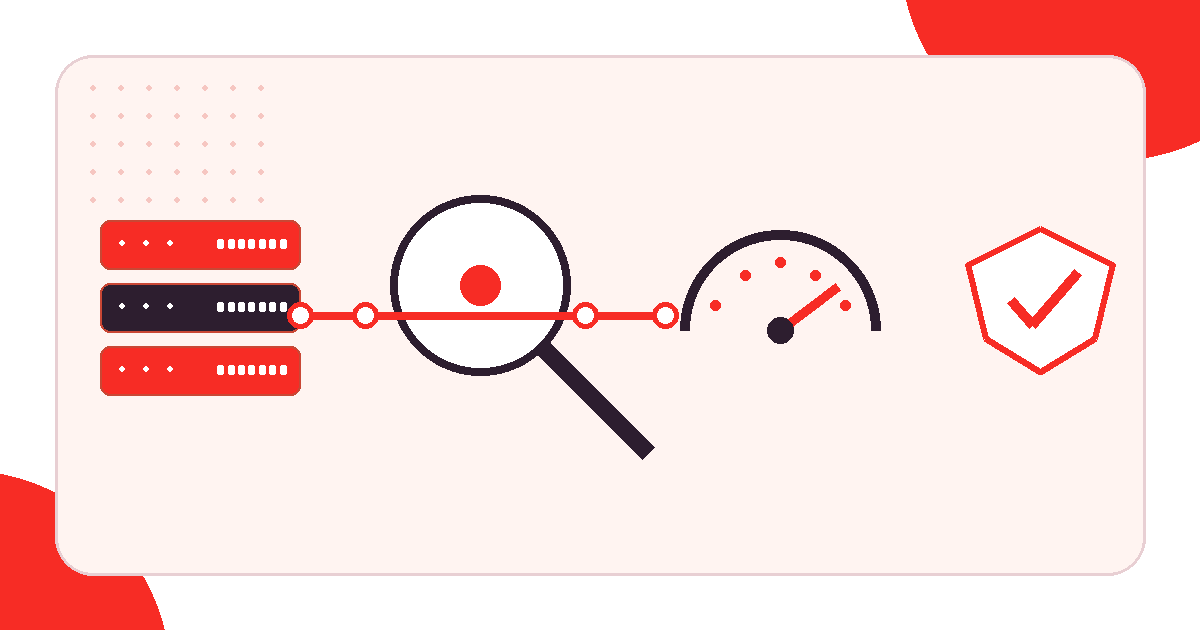
Proxy Checker: How to Test IP, Speed, and Anonymity
Learn what a proxy checker really measures, how to test exit IP, protocol, latency, TLS, DNS, forwarded headers, and stability without overclaiming anonymity.
-
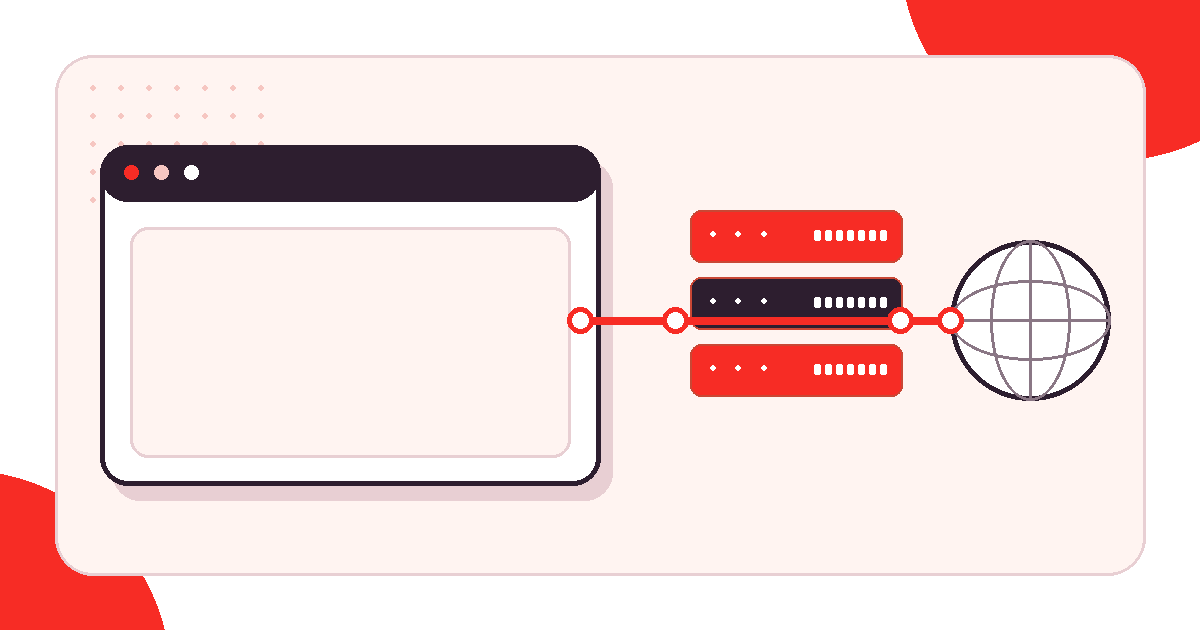
Proxy Browser: How to Browse Through a Proxy
Configure browser traffic through a proxy, understand system settings and extensions, verify the route, and avoid common authentication and leak problems.
-
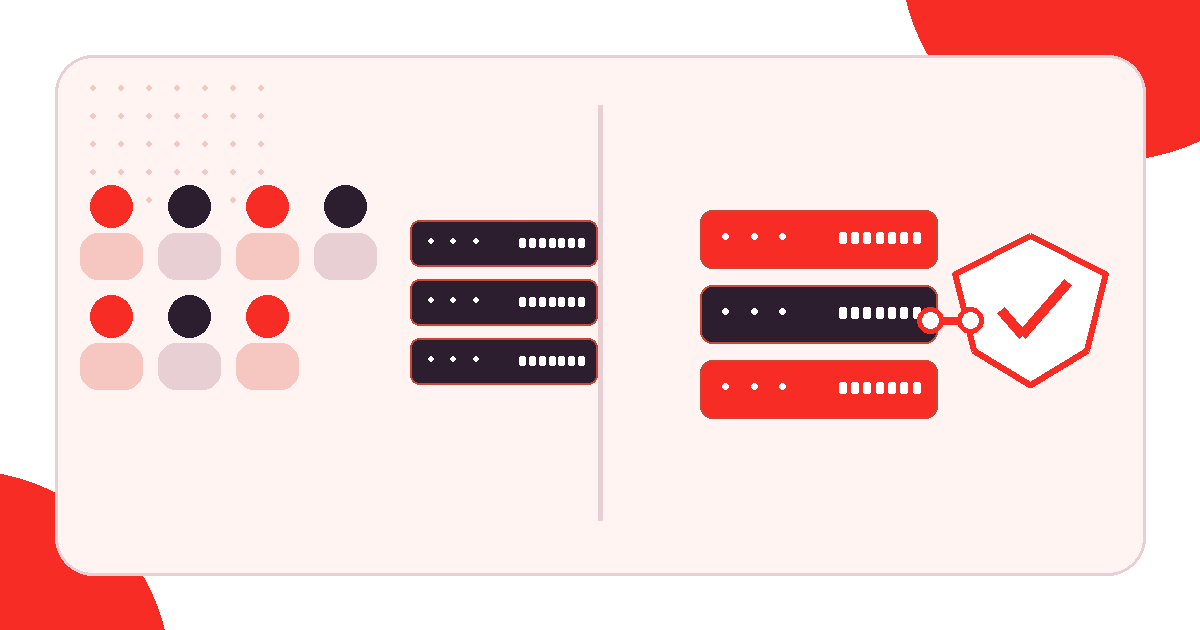
Free Proxy vs Private Proxy: Compare Control, Not Just Price
Free public proxies minimize purchase price but increase uncertainty. Private proxies add controlled access, support, and more reproducible operations.
-
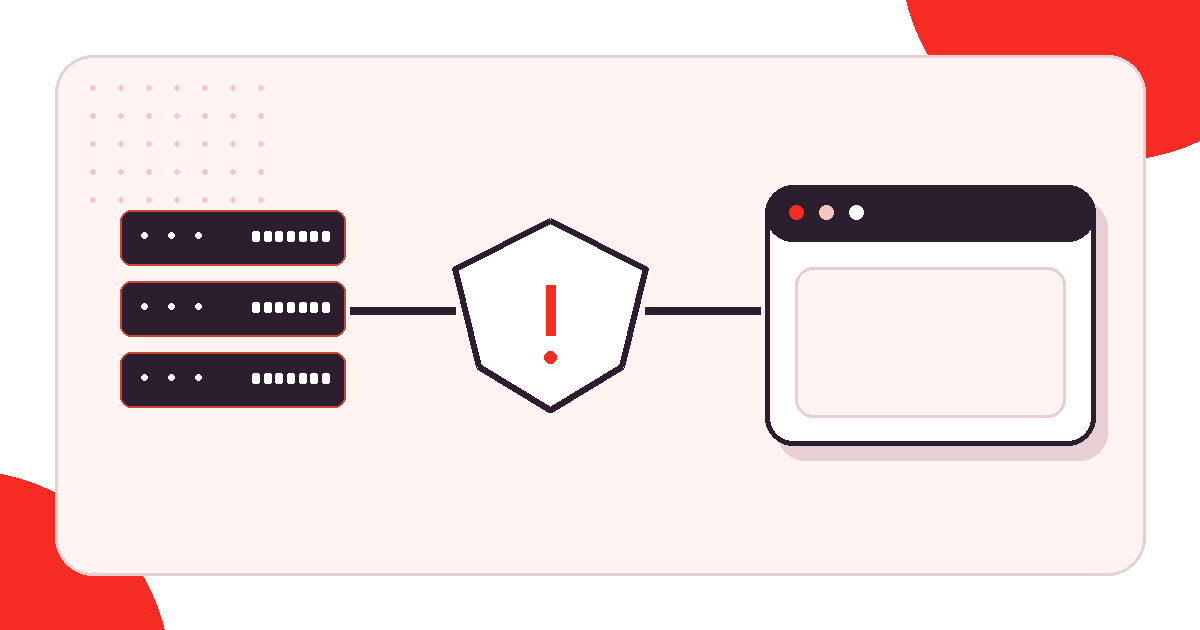
Free Proxy Server Risks: What a Working IP Test Cannot Prove
Free proxies can hide unknown ownership, logging, traffic modification, unstable capacity, and poor reputation. Use a bounded, disposable evaluation routine.
-
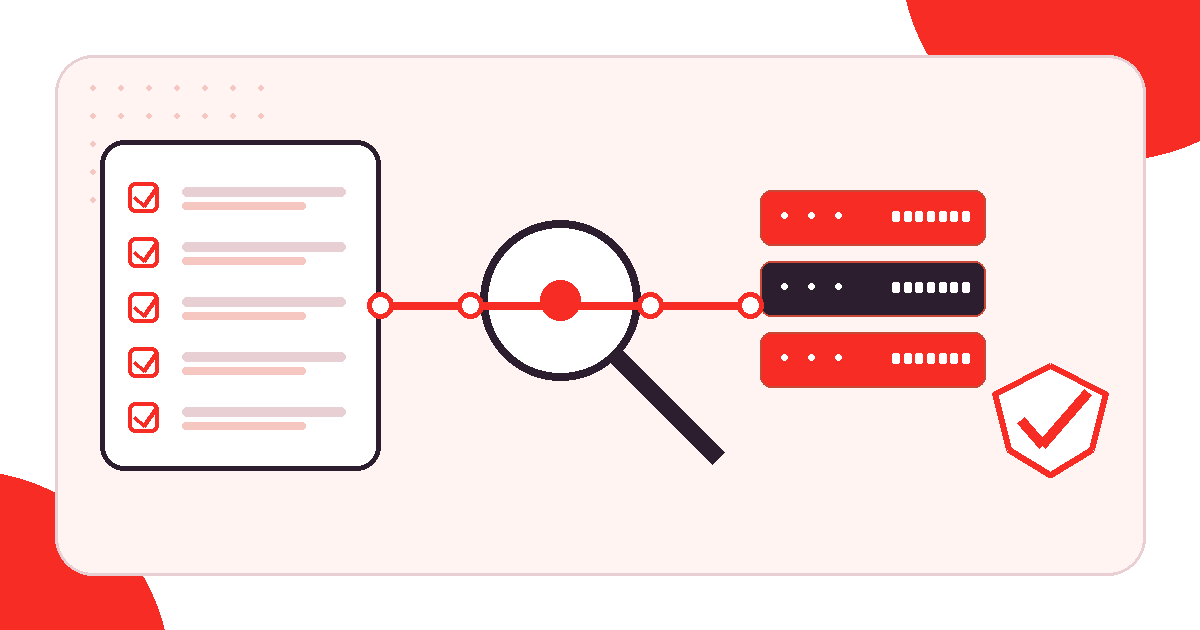
Free Proxy List: How to Test Every IP Before Using It
Turn an untrusted proxy list into a measured test report by validating syntax, protocol, reachability, authentication, TLS, exit IP, latency, and stability.
-
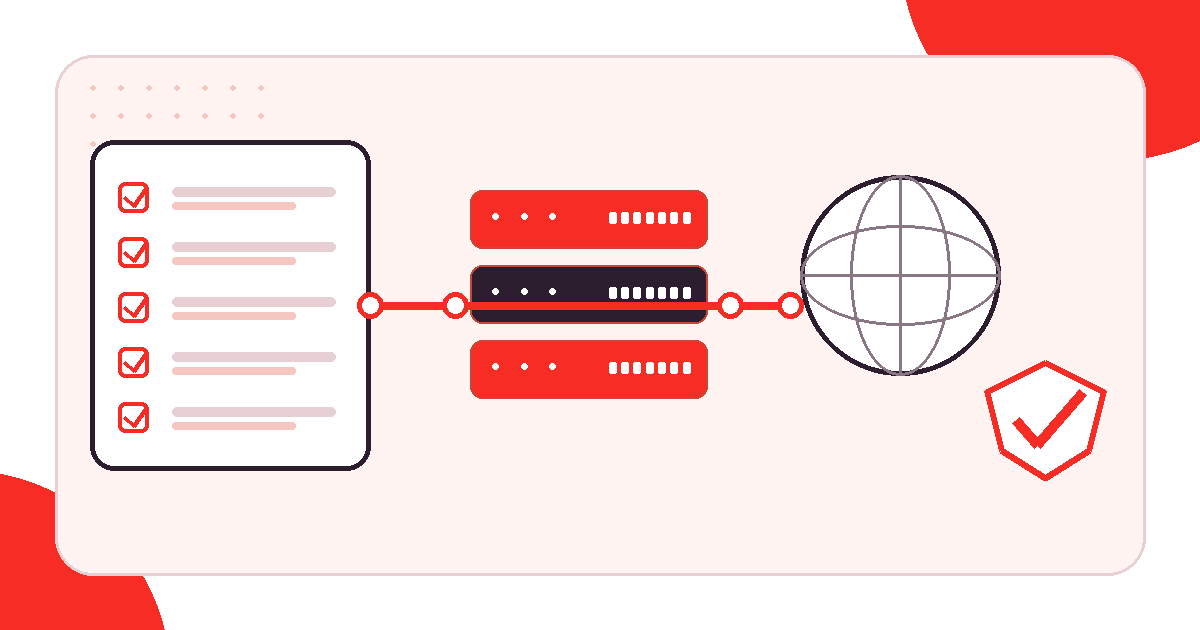
How to Choose a Reliable Proxy Service with Evidence
Turn your workflow into a testable proxy requirement, compare access, protocol, authentication, and location, then run a small acceptance trial.