
Proxy Tutorials
Browse testing and troubleshooting tutorials
PROXY PLANS
Turn this proxy research into a plan
Compare private and shared proxy options after reading the category guides, then choose the smallest plan that fits the workflow.
-
Responsible Proxy Use: Rate Limits, Robots.txt, and Safe Automation
Use proxies responsibly with rate limits, robots.txt checks, respectful automation, logging, retry backoff, and safer crawler behavior.
-
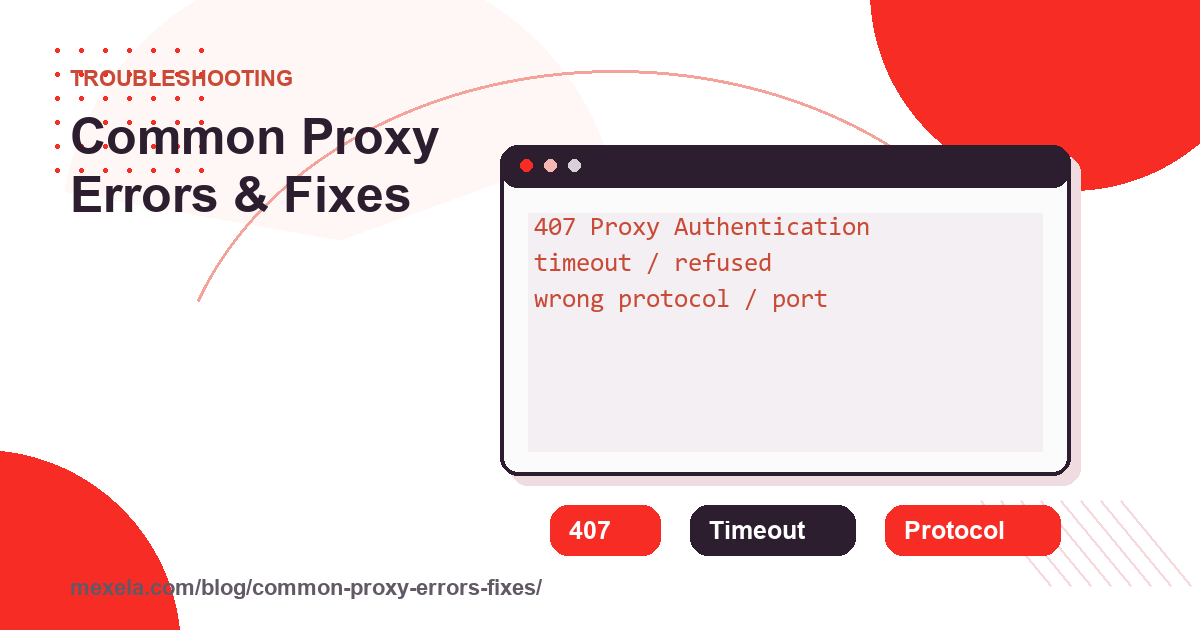
Common Proxy Errors and Fixes: Diagnose the Failing Layer
Fix proxy failures by separating authentication, connection, DNS, TLS, and destination responses instead of replacing endpoints or disabling controls at random.
-
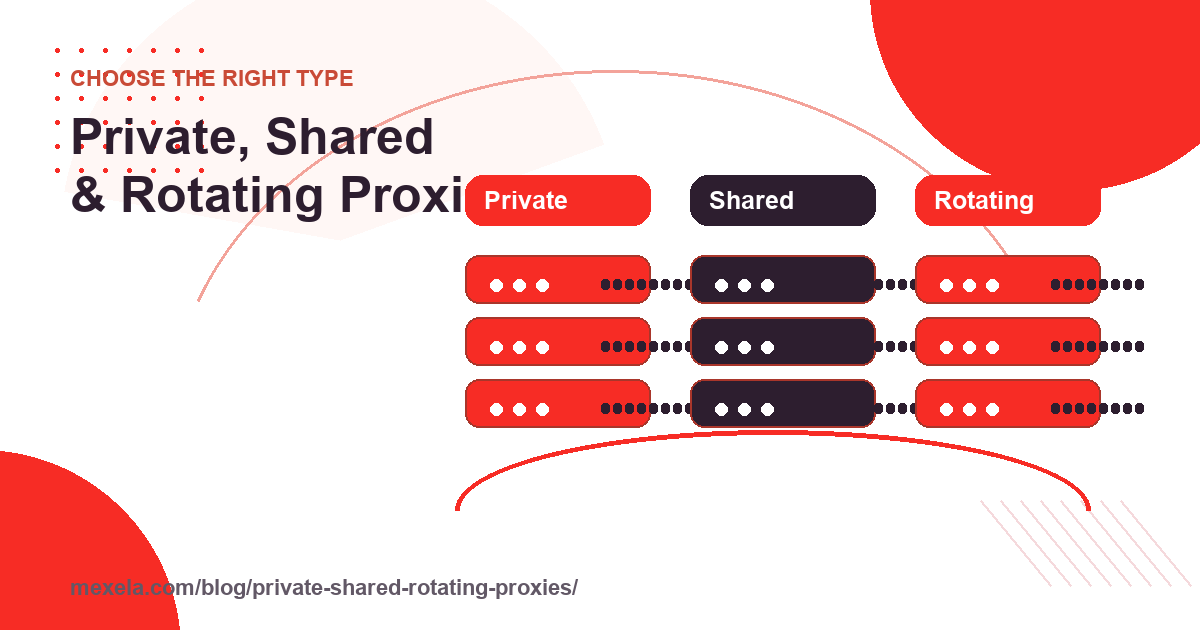
Private, Shared, Static, and Rotating Proxies Compared
Private and shared describe who can use an endpoint; static and rotating describe address continuity. Compare both axes before choosing a proxy.
-
How to Test If Your Proxy Is Working, One Layer at a Time
Prove a proxy route with a direct baseline, exit-IP check, protocol and TLS checks, repeated stability samples, and an authorized destination test.
-
Set Up a Proxy in Chrome, Firefox, Windows, and macOS
Configure browser or operating-system proxy settings without exposing credentials, then verify the exit address, TLS, DNS behavior, and destination response.