
Proxy Guides
Clear explanations of proxy types, protocols, IP strategies, and technical trade-offs.
Follow the Proxy Basics learning path
PROXY PLANS
Turn this proxy research into a plan
Compare private and shared proxy options after reading the category guides, then choose the smallest plan that fits the workflow.
-

Proxy Uptime Monitoring: Health Checks, Latency, and Failover
Monitor proxy reachability, tunnel and TLS stages, destination success, latency distribution, retry budgets, and reversible failover separately.
-

Subnet Diversity for Proxy Pools: /24, ASN, and Failure Domains
Measure proxy-pool diversity with explicit CIDR grouping, current route origin, ownership context, infrastructure dependencies, and failure-domain tests.
-

How to Test a USA Proxy Location Correctly
Verify a USA proxy with a direct baseline, observed exit, multiple geolocation sources, browser controls, mismatch diagnosis, and inventory confirmation.
-

Static IP Proxy for API Allowlisting: Stable Egress, Authentication, and Failover
Design API allowlisting around stable proxy egress, layered authentication, documented address changes, dual-stack policy, and tested failover.
-

Proxy IP Reputation: What You Can Test Before Scaling
Evaluate proxy IP reputation with source context, network ownership, list criteria, controlled destination checks, and a repeatable acceptance matrix.
-
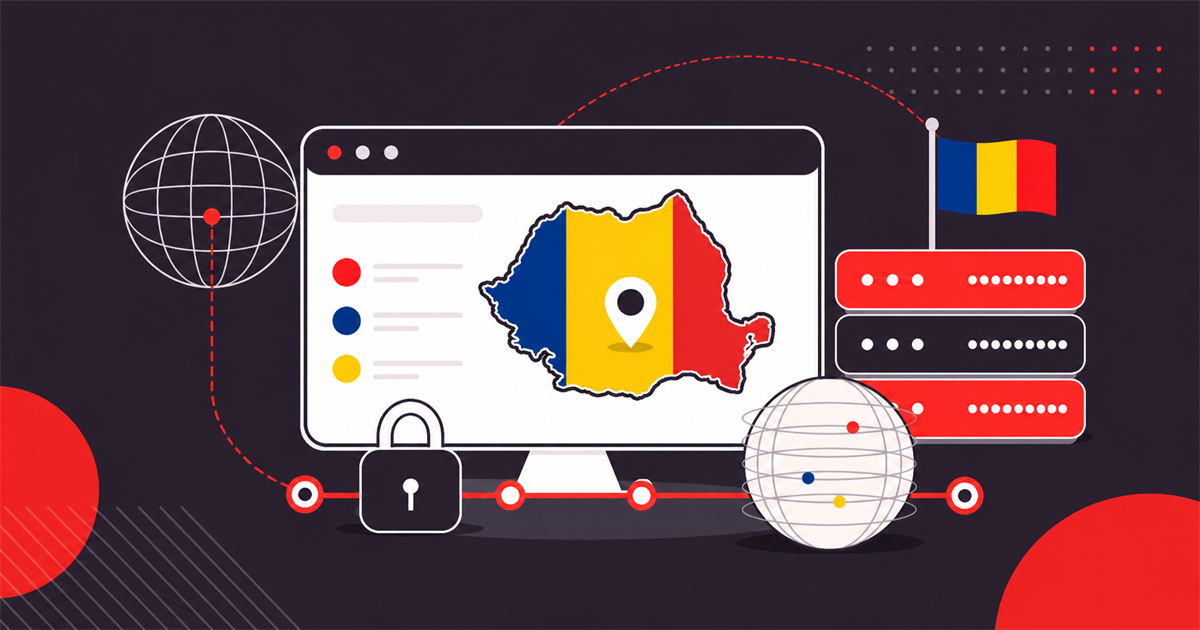
Romania Proxy Server: Test Romanian Proxies Safely
A practical checklist for selecting a Romanian proxy route, confirming the observed country, controlling language signals, and diagnosing mismatches safely.
-
Proxy Site Meaning: How It Works, Risks & Safer Options
Proxy site meaning: a browser-based web proxy that loads a URL for you. Learn what it can observe, why logins are risky, and when a configured private proxy is safer.
-
Private Proxy vs Public Proxy vs VPN: Which to Use
Compare private proxies, public proxy sites, public proxy lists, and VPNs by routing scope, trust boundary, session stability, privacy limits, and test evidence.
-

Axios Proxy: Config, Auth, Agents, and Debugging
Configure Axios proxy routing in Node.js with explicit settings, authentication, environment variables, custom agents, safe verification, and layered debugging.
-

Playwright Proxy: Auth, Contexts, and Testing
Configure a Playwright proxy in TypeScript with safer authentication, global or per-context routing, bypass rules, controlled checks, and geo-QA safeguards.
-

Python Requests Proxy: Auth, Sessions, and Testing
Configure a Python Requests proxy with safer credential handling, explicit timeouts, reusable sessions, SOCKS support, and a controlled verification workflow.
-

cURL Proxy Setup: Auth, SOCKS5, and Testing
Configure a cURL proxy with HTTP or SOCKS5, separate proxy credentials safely, control environment variables and bypass rules, and verify each network hop.