Fundamentals
Proxy Basics
Learn the core proxy types, protocols, and decisions before you configure a service.

The practical proxy knowledge base
Independent-minded, technically accurate guides to proxy types, protocols, authentication, configuration, responsible data collection, and troubleshooting.
Make a requirements-first choice
Compare exclusive or shared access, fixed or rotating IP behavior, protocol support, location, and authentication before you order. The checklist turns those terms into a controlled test.
START WITH THE RIGHT PATH
Choose a focused route for fundamentals, implementation, diagnostics, or regional testing.
Fundamentals
Learn the core proxy types, protocols, and decisions before you configure a service.
Implementation
Configure authentication, clients, and integrations with practical developer guidance.
Diagnostics
Test routes methodically and isolate authentication, network, and destination failures.
Regional research
Compare regional experiences responsibly with repeatable location and platform checks.
BUY PROXIES
Start with dedicated private proxies for stable IPv4 access or shared proxies for budget-sensitive work.
PROXY OPERATIONS FIELD NOTES
Verify proxy routes, compare regional results, and diagnose failures without confusing connectivity with destination behavior.

Set bounded request rates, respect published rules, and stop cleanly when a target signals limits.

Keep country, language, device, and route evidence consistent for reproducible comparisons.

Separate authentication, protocol, network, and destination failures before retrying.
Clear answers, real trade-offs, practical steps.
An X or Twitter proxy changes a configured client’s route for permitted access or regional brand QA. Keep the session stable and record the exact public URL or approved API query. A proxy does not remove account history, grant API access or make mass actions and unsupported automation acceptable.
A YouTube proxy supplies a network route for a regional video-availability or landing-page check. It does not guarantee playback, change every account signal or justify engagement manipulation. Test the exact video or page in a controlled session, and keep API search data separate from rendered availability.

A Reddit proxy can help diagnose an approved client’s network route or compare permitted public page access. It does not replace OAuth, API permissions, rate limits or community rules. Verify the route first, then test the exact API method or public page required by the research question.
A LinkedIn proxy changes a supported client’s network route; it does not grant permission to automate account activity or collect restricted data. Use a consistent route for authorized access and a separately defined workflow for public company research. Keep session state and access challenges visible in the result.
A Facebook or Meta proxy changes the route used by a configured browser. It can support a consistent business workspace or a permitted regional page check, but it does not grant business roles or account permissions. Test the route separately from the authorized team identity and the page being reviewed.
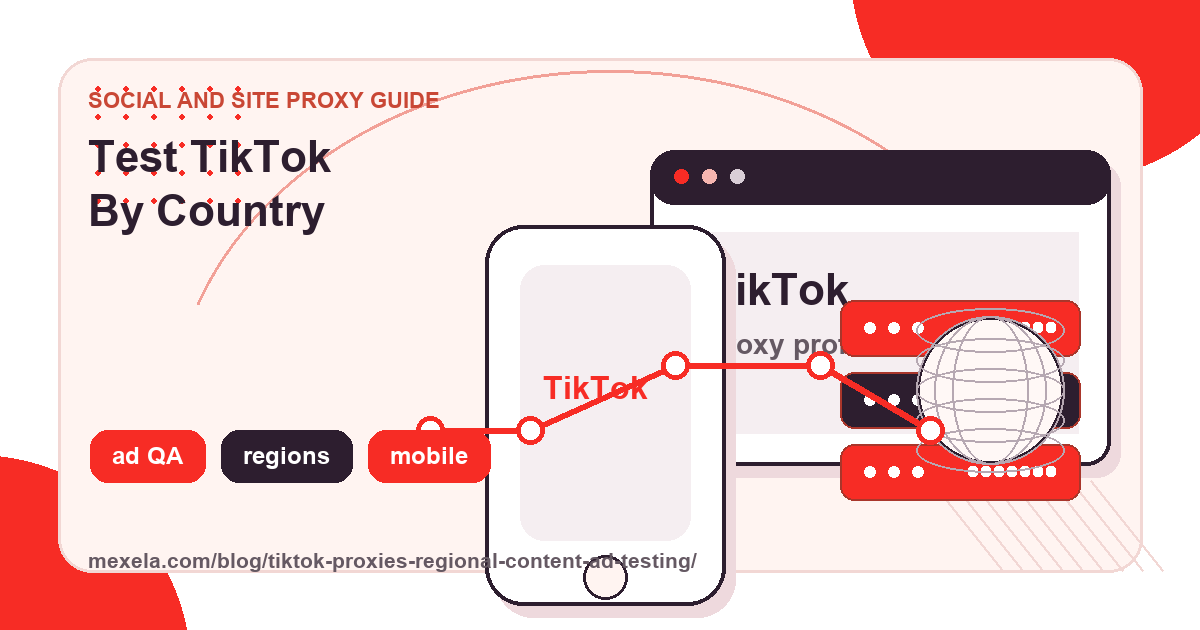
A TikTok proxy can supply a different network route for permitted regional content or ad landing-page checks. The country IP alone does not determine a personalized feed, language or account market. Record the exact surface, session state and regional controls before comparing results.
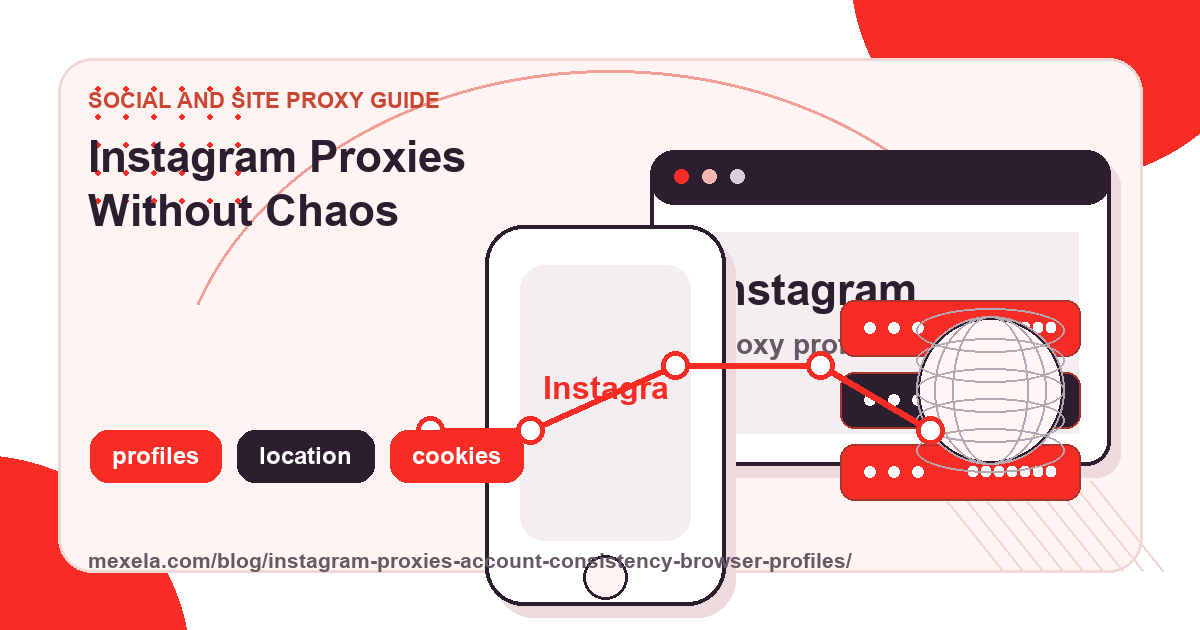
An Instagram proxy routes the configured browser through a chosen network exit. For authorized account access or regional previews, keep a consistent route and a separate browser profile. It does not remove cookies, account history or security checks, and it cannot make prohibited automation safe.
Use proxies responsibly with rate limits, robots.txt checks, respectful automation, logging, retry backoff, and safer crawler behavior.
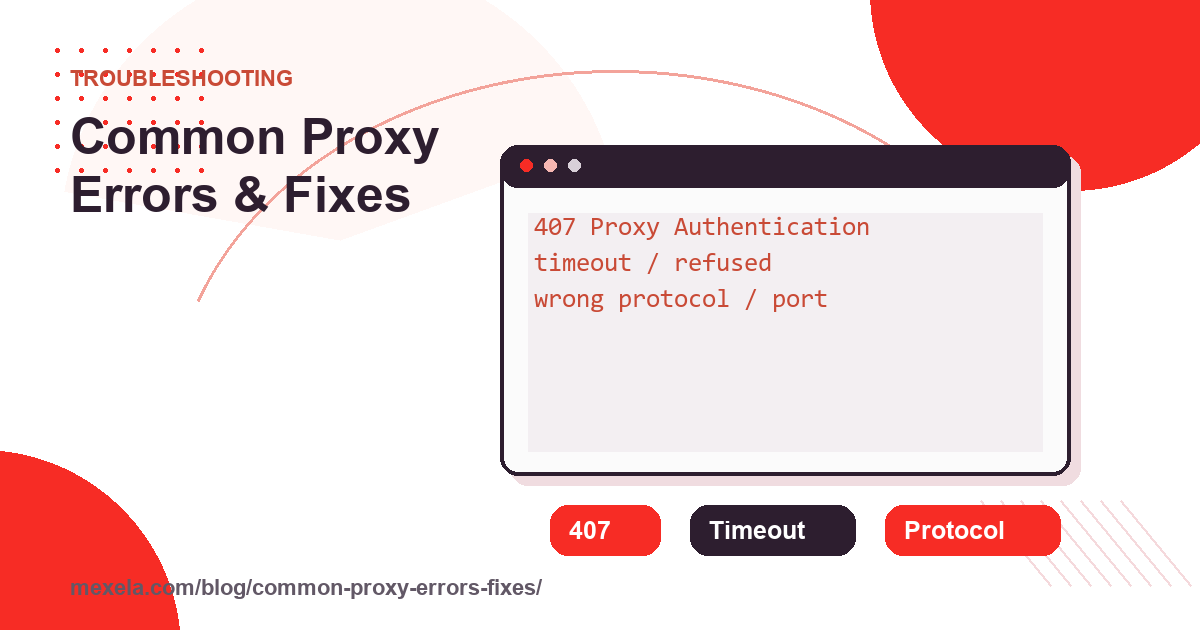
Fix proxy failures by separating authentication, connection, DNS, TLS, and destination responses instead of replacing endpoints or disabling controls at random.

Choose a proxy region with a written target, latency baseline, geolocation checks, inventory requirements, and a repeatable regional acceptance test.