Fundamentals
Proxy Basics
Learn the core proxy types, protocols, and decisions before you configure a service.

The practical proxy knowledge base
Independent-minded, technically accurate guides to proxy types, protocols, authentication, configuration, responsible data collection, and troubleshooting.
Make a requirements-first choice
Compare exclusive or shared access, fixed or rotating IP behavior, protocol support, location, and authentication before you order. The checklist turns those terms into a controlled test.
START WITH THE RIGHT PATH
Choose a focused route for fundamentals, implementation, diagnostics, or regional testing.
Fundamentals
Learn the core proxy types, protocols, and decisions before you configure a service.
Implementation
Configure authentication, clients, and integrations with practical developer guidance.
Diagnostics
Test routes methodically and isolate authentication, network, and destination failures.
Regional research
Compare regional experiences responsibly with repeatable location and platform checks.
BUY PROXIES
Start with dedicated private proxies for stable IPv4 access or shared proxies for budget-sensitive work.
PROXY OPERATIONS FIELD NOTES
Verify proxy routes, compare regional results, and diagnose failures without confusing connectivity with destination behavior.
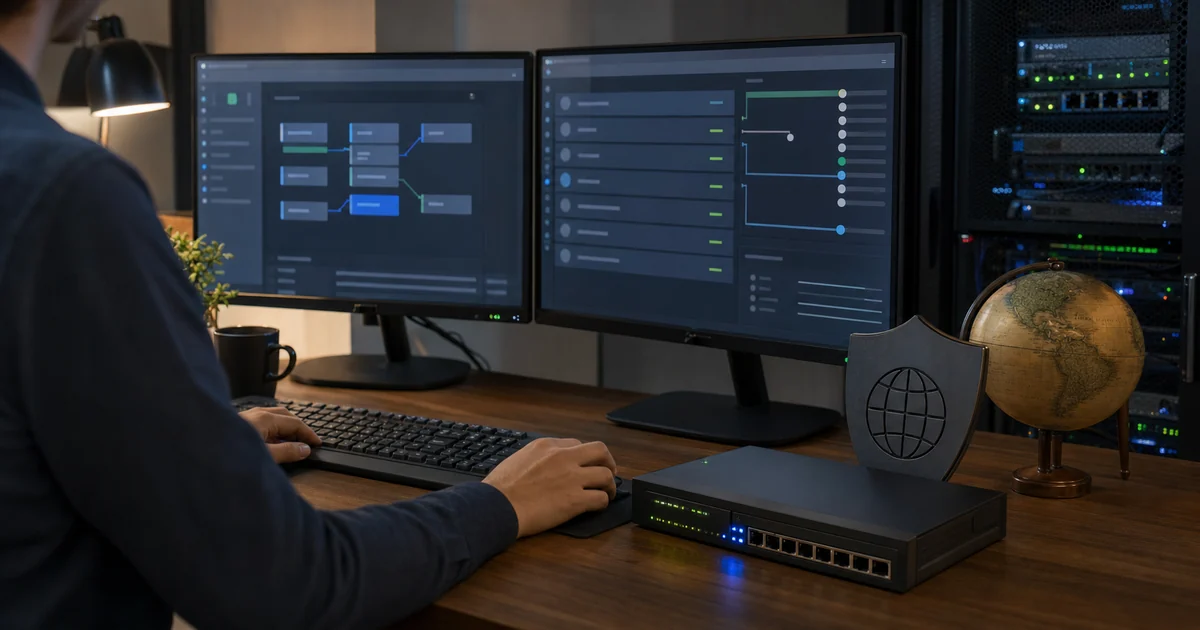
Set bounded request rates, respect published rules, and stop cleanly when a target signals limits.

Keep country, language, device, and route evidence consistent for reproducible comparisons.

Separate authentication, protocol, network, and destination failures before retrying.
Clear answers, real trade-offs, practical steps.
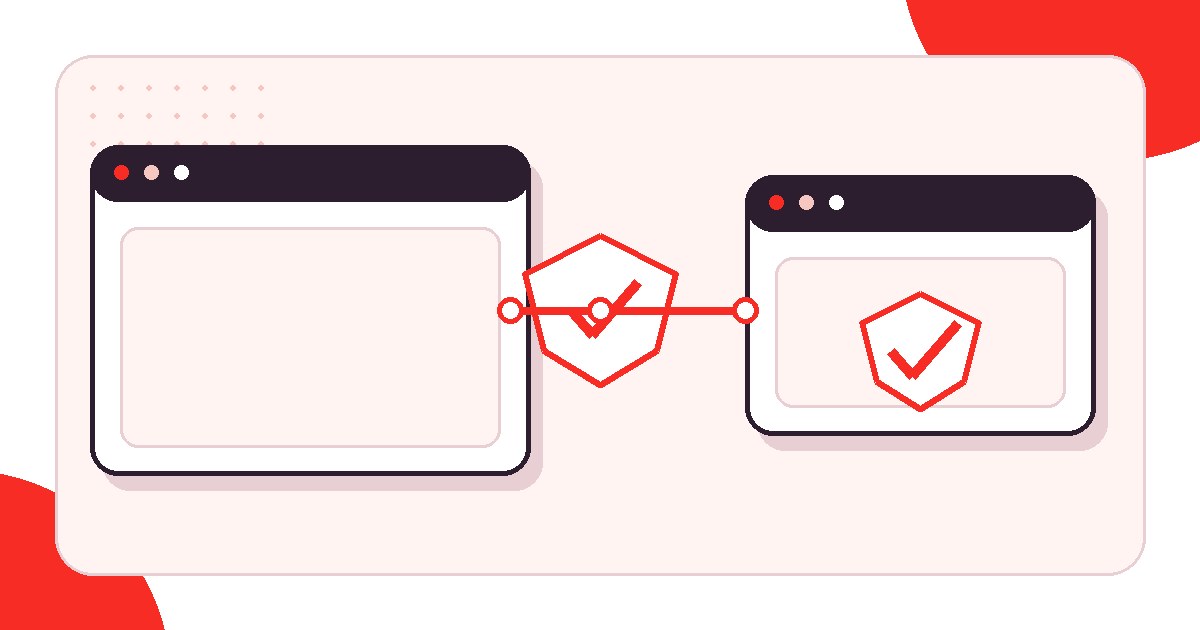
Understand how proxy sites work, what they can see, which warning signs to avoid, and when configured proxy alternatives are safer.
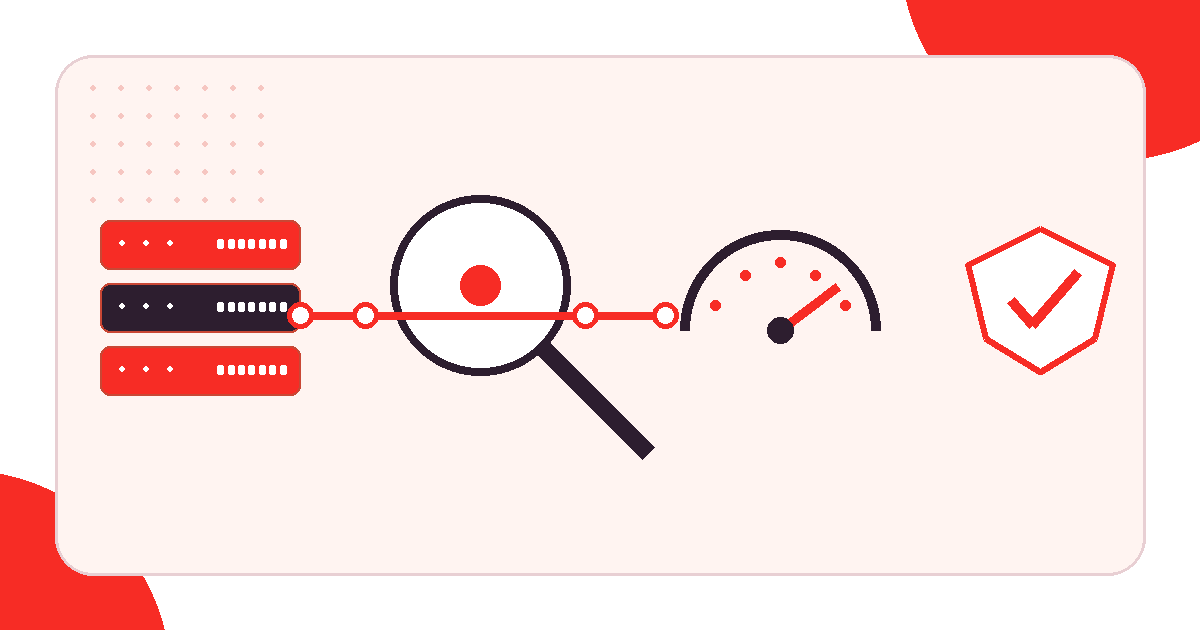
Learn what a proxy checker really measures, how to test exit IP, protocol, latency, TLS, DNS, forwarded headers, and stability without overclaiming anonymity.
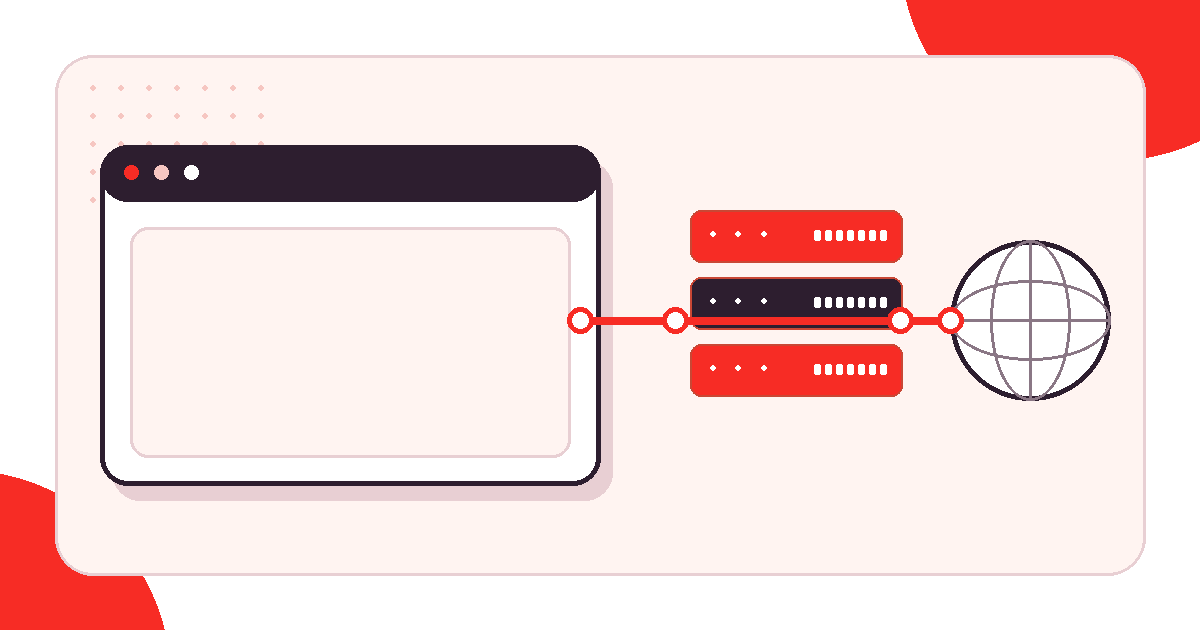
Configure browser traffic through a proxy, understand system settings and extensions, verify the route, and avoid common authentication and leak problems.
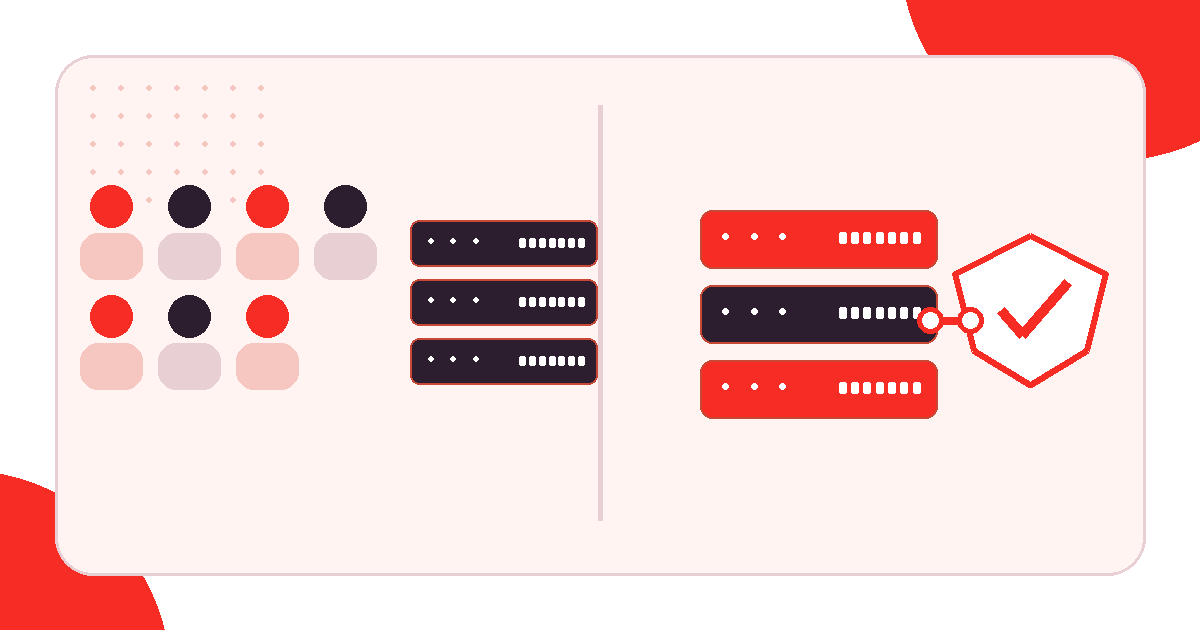
Free public proxies minimize purchase price but increase uncertainty. Private proxies add controlled access, support, and more reproducible operations.
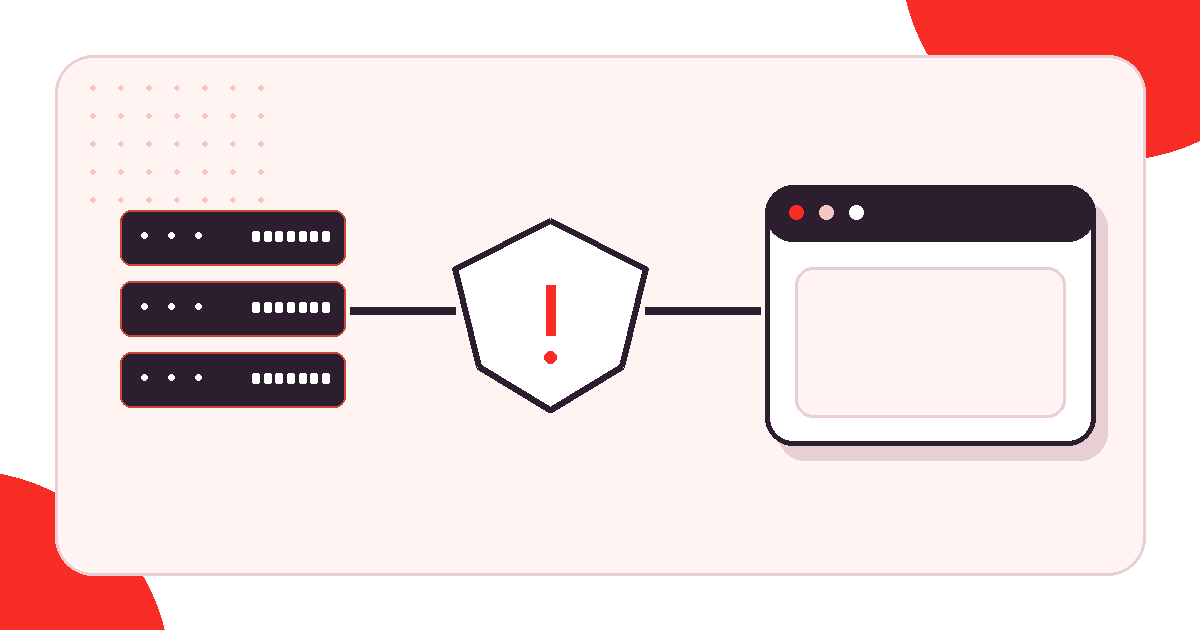
Free proxies can hide unknown ownership, logging, traffic modification, unstable capacity, and poor reputation. Use a bounded, disposable evaluation routine.
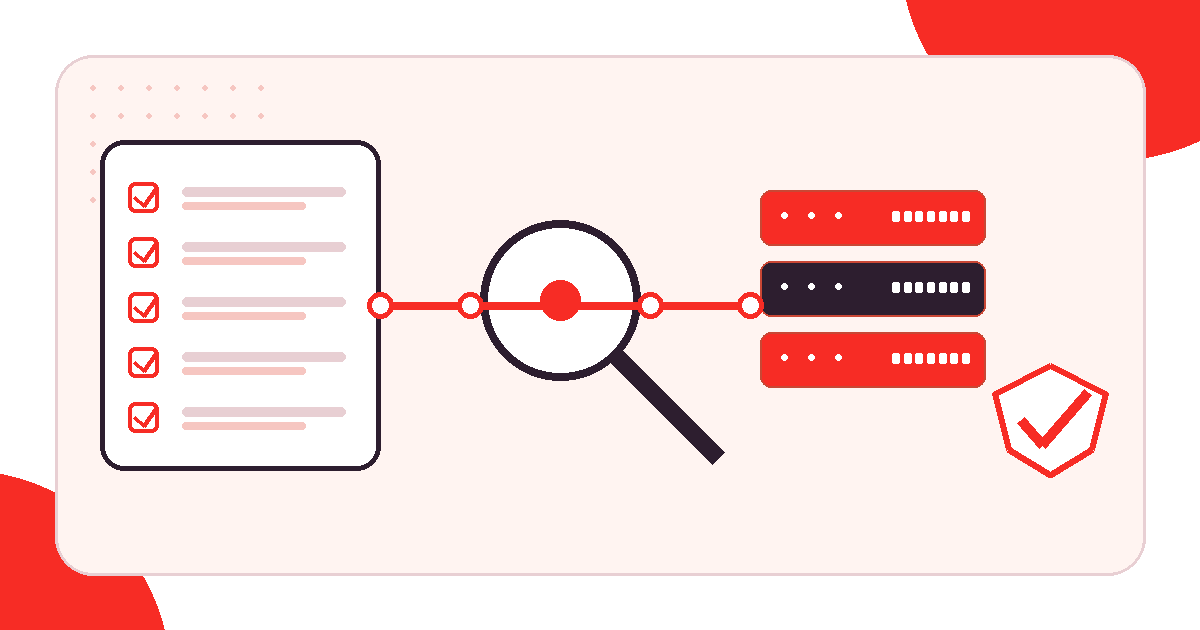
Turn an untrusted proxy list into a measured test report by validating syntax, protocol, reachability, authentication, TLS, exit IP, latency, and stability.
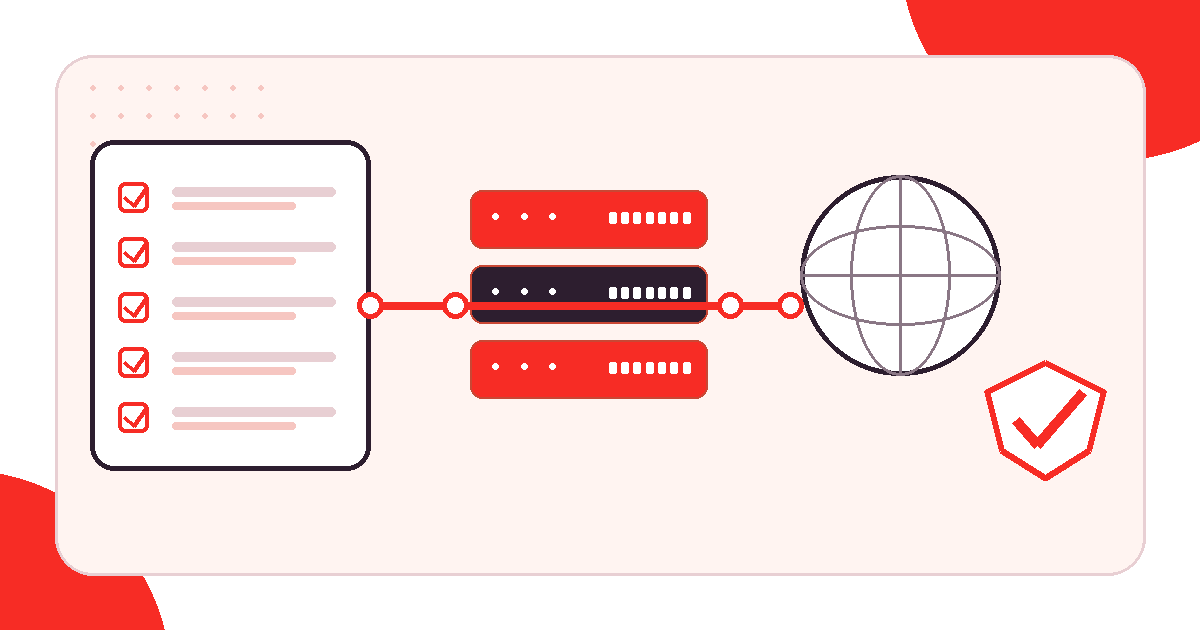
Turn your workflow into a testable proxy requirement, compare access, protocol, authentication, and location, then run a small acceptance trial.
A travel-site proxy changes a supported client’s network route for permitted flight, hotel or regional landing-page QA. Comparable observations need matching dates, occupancy, fare or room terms and currency. Record fees and account state separately; a changed route does not guarantee a lower or bookable price.
Amazon and eBay proxies can supply controlled network routes for permitted regional price, stock or landing-page QA. Match seller, product variant, delivery location and currency before comparing offers. A different IP does not turn a displayed card amount into a final checkout price or authorize automated collection.
A Pinterest proxy can support a permitted regional catalog or visual-search check through a configured client. Treat the Pinterest page and the linked store as separate observations. Record product identity, market and session controls; a route change alone does not fix feed data or guarantee a matching landing page.