Fundamentals
Proxy Basics
Learn the core proxy types, protocols, and decisions before you configure a service.

The practical proxy knowledge base
Independent-minded, technically accurate guides to proxy types, protocols, authentication, configuration, responsible data collection, and troubleshooting.
Make a requirements-first choice
Compare exclusive or shared access, fixed or rotating IP behavior, protocol support, location, and authentication before you order. The checklist turns those terms into a controlled test.
START WITH THE RIGHT PATH
Choose a focused route for fundamentals, implementation, diagnostics, or regional testing.
Fundamentals
Learn the core proxy types, protocols, and decisions before you configure a service.
Implementation
Configure authentication, clients, and integrations with practical developer guidance.
Diagnostics
Test routes methodically and isolate authentication, network, and destination failures.
Regional research
Compare regional experiences responsibly with repeatable location and platform checks.
BUY PROXIES
Start with dedicated private proxies for stable IPv4 access or shared proxies for budget-sensitive work.
PROXY OPERATIONS FIELD NOTES
Verify proxy routes, compare regional results, and diagnose failures without confusing connectivity with destination behavior.

Set bounded request rates, respect published rules, and stop cleanly when a target signals limits.

Keep country, language, device, and route evidence consistent for reproducible comparisons.

Separate authentication, protocol, network, and destination failures before retrying.
Clear answers, real trade-offs, practical steps.
Use aiohttp request proxies with a reusable session, explicit timeouts and verified TLS. Includes current authentication changes and local route observations.
Configure HTTPX sync and async clients with an explicit proxy, safe authentication, optional SOCKS5 support, strict TLS and measured route checks.

Verify a USA proxy with a direct baseline, observed exit, multiple geolocation sources, browser controls, mismatch diagnosis, and inventory confirmation.
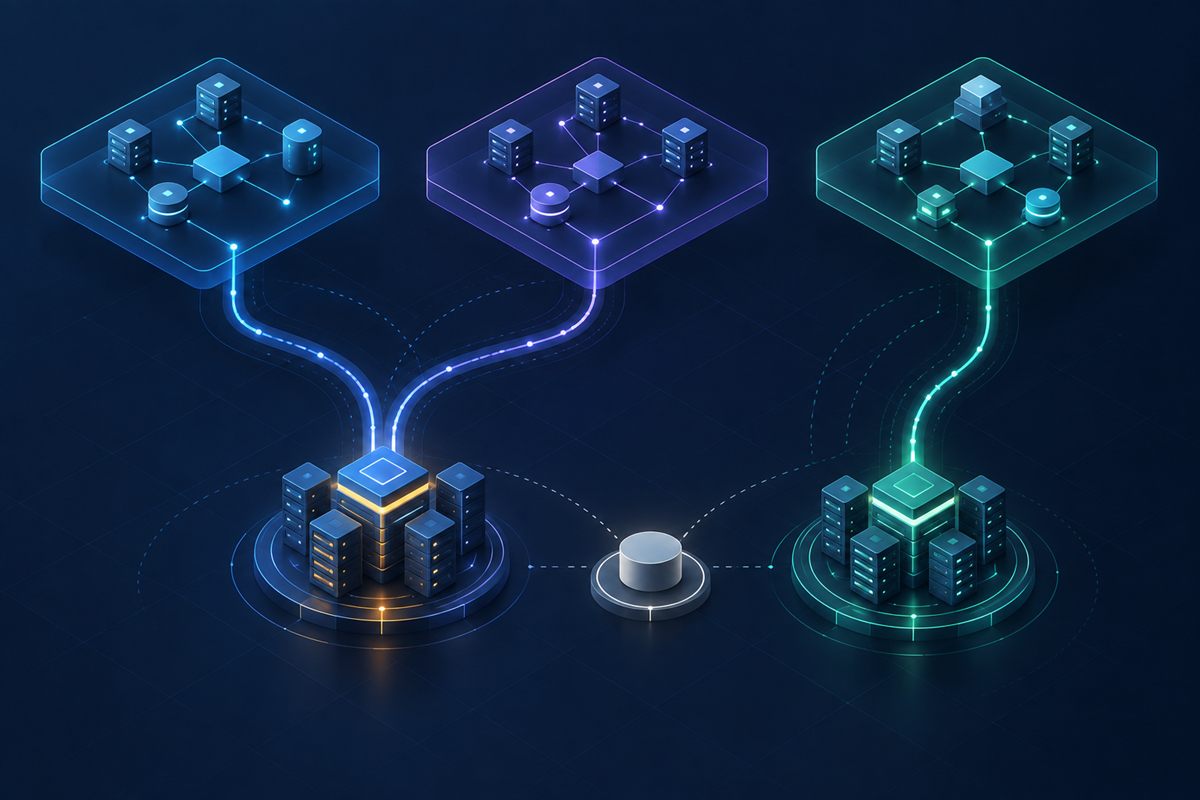
Measure proxy-pool diversity with explicit CIDR grouping, current route origin, ownership context, infrastructure dependencies, and failure-domain tests.
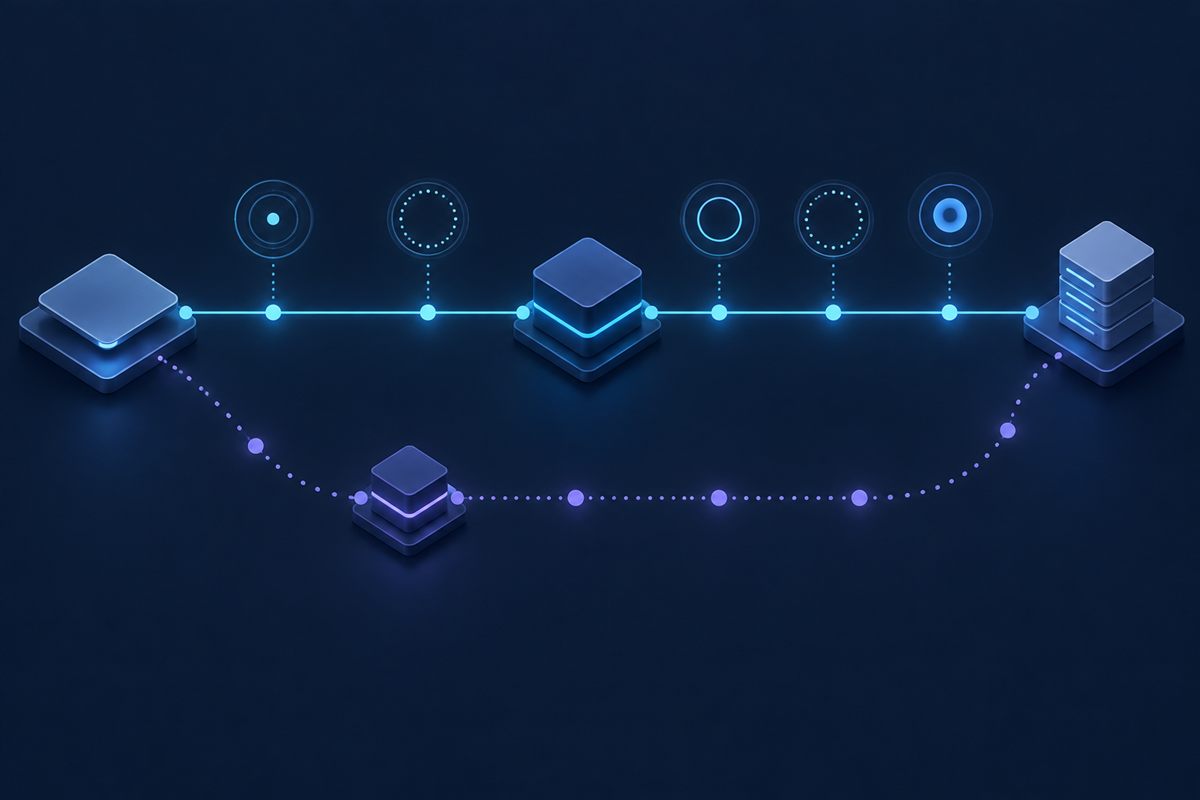
Monitor proxy reachability, tunnel and TLS stages, destination success, latency distribution, retry budgets, and reversible failover separately.

Evaluate proxy IP reputation with source context, network ownership, list criteria, controlled destination checks, and a repeatable acceptance matrix.
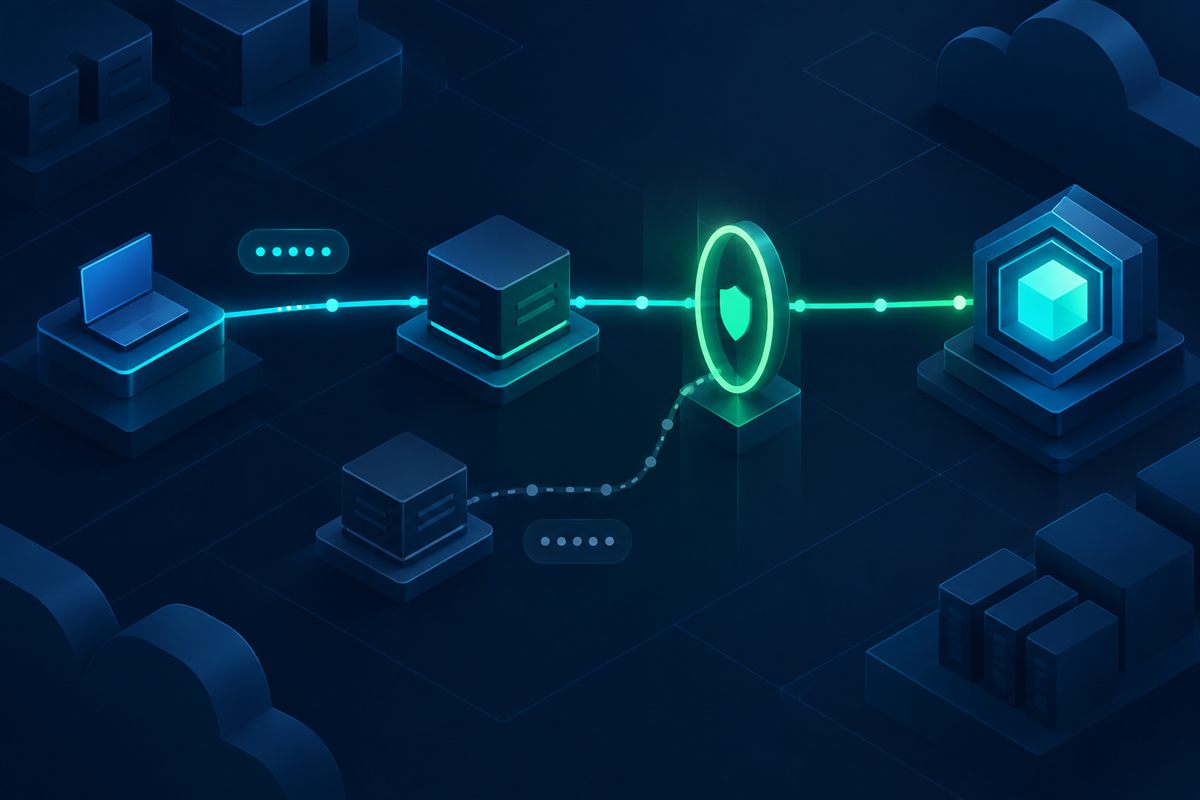
Design API allowlisting around stable proxy egress, layered authentication, documented address changes, dual-stack policy, and tested failover.

Configure Scrapy proxy routing through HttpProxyMiddleware, protect credentials, respect bypass intent, classify failures, and verify the route safely.

Configure PowerShell web requests with an explicit proxy, protected credentials, deliberate bypass behavior, finite timeouts, and route evidence.

Configure Guzzle with one proxy or protocol-specific routes, preserve NO_PROXY bypasses, protect credentials, bound timeouts, and debug failures safely.