Fundamentals
Proxy Basics
Learn the core proxy types, protocols, and decisions before you configure a service.

The practical proxy knowledge base
Independent-minded, technically accurate guides to proxy types, protocols, authentication, configuration, responsible data collection, and troubleshooting.
Make a requirements-first choice
Compare exclusive or shared access, fixed or rotating IP behavior, protocol support, location, and authentication before you order. The checklist turns those terms into a controlled test.
START WITH THE RIGHT PATH
Choose a focused route for fundamentals, implementation, diagnostics, or regional testing.
Fundamentals
Learn the core proxy types, protocols, and decisions before you configure a service.
Implementation
Configure authentication, clients, and integrations with practical developer guidance.
Diagnostics
Test routes methodically and isolate authentication, network, and destination failures.
Regional research
Compare regional experiences responsibly with repeatable location and platform checks.
BUY PROXIES
Start with dedicated private proxies for stable IPv4 access or shared proxies for budget-sensitive work.
PROXY OPERATIONS FIELD NOTES
Verify proxy routes, compare regional results, and diagnose failures without confusing connectivity with destination behavior.

Set bounded request rates, respect published rules, and stop cleanly when a target signals limits.

Keep country, language, device, and route evidence consistent for reproducible comparisons.

Separate authentication, protocol, network, and destination failures before retrying.
Clear answers, real trade-offs, practical steps.

Configure Selenium 4 with the official WebDriver proxy capability, understand authenticated-proxy limits, verify the browser exit, isolate sessions, and diagnose failures.
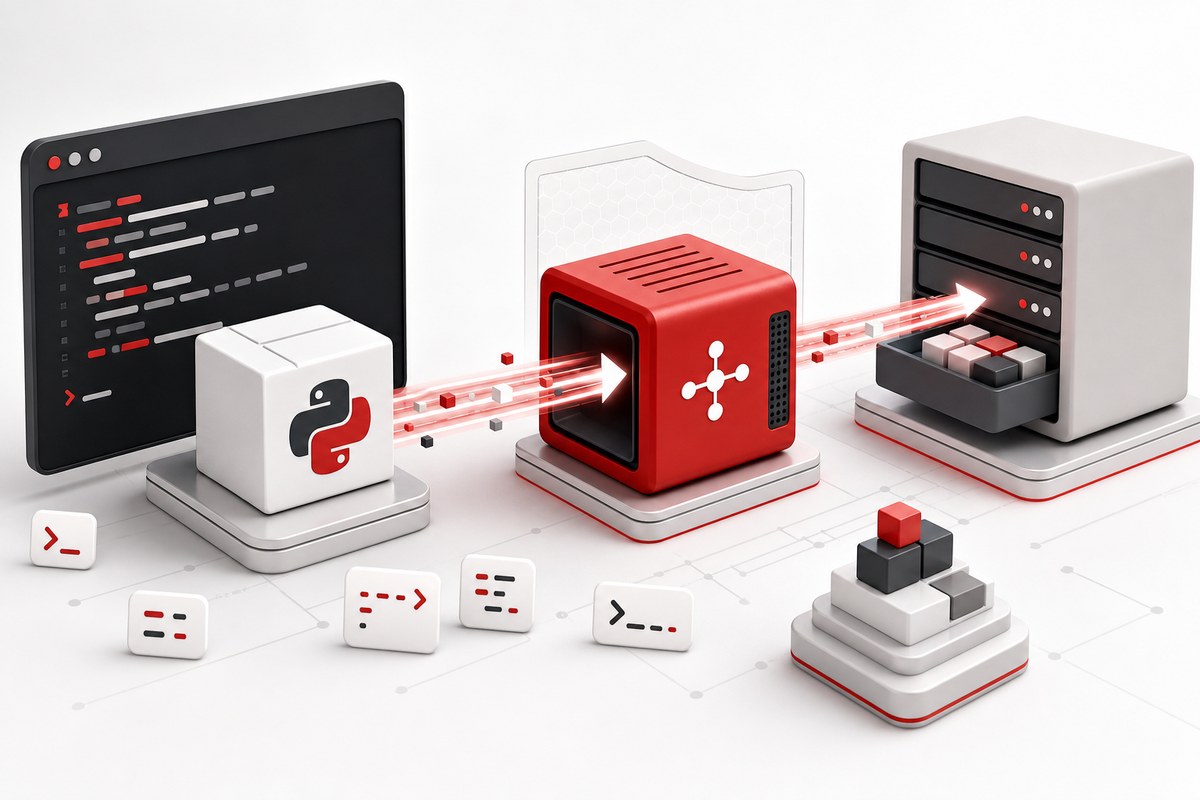
Configure pip through a one-command proxy, environment variables, or pip configuration files, then inspect precedence, remove stale settings, and diagnose failures safely.
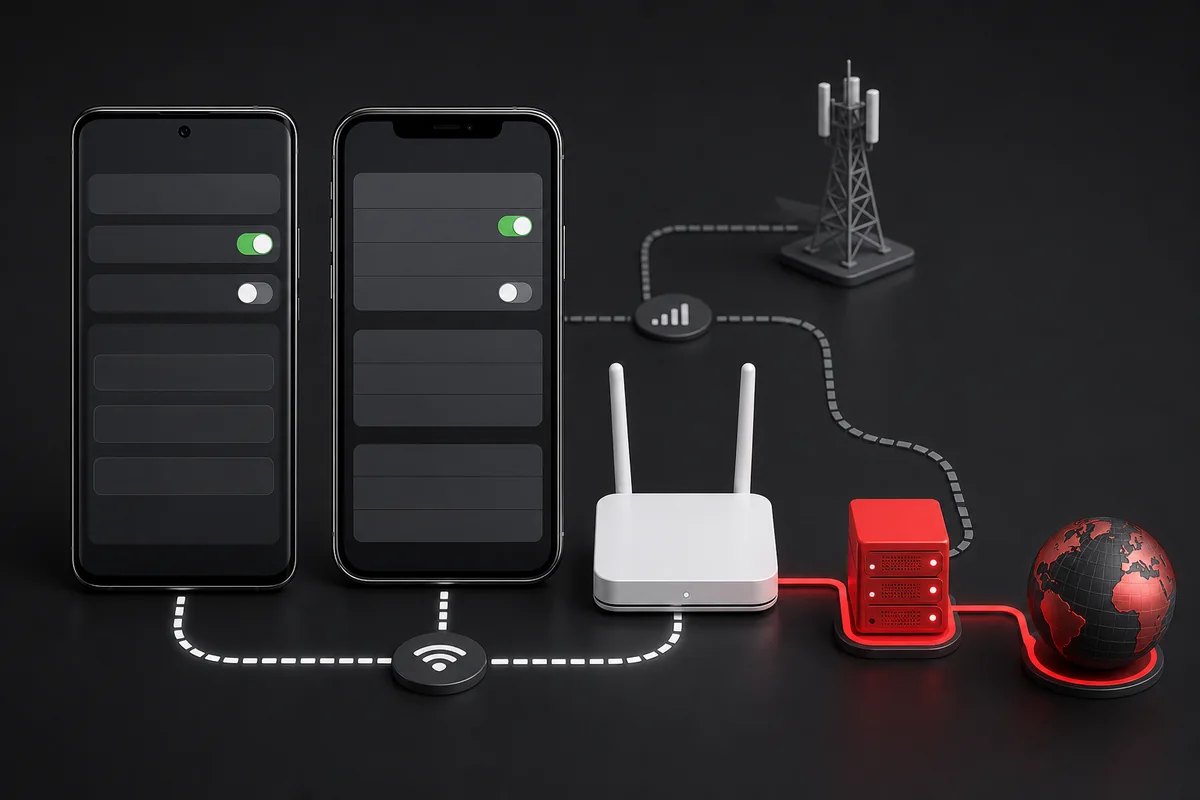
Configure a manual HTTP proxy for one Wi-Fi network on Android or iPhone, understand what the setting cannot cover, and verify app behavior safely.

Configure SOCKS5 in supported clients, choose local or proxy-side DNS deliberately, test the exit, and understand common browser authentication limits.

Set Git and npm proxy scopes deliberately, inspect the effective configuration, protect credentials, test TLS, and remove stale settings cleanly.
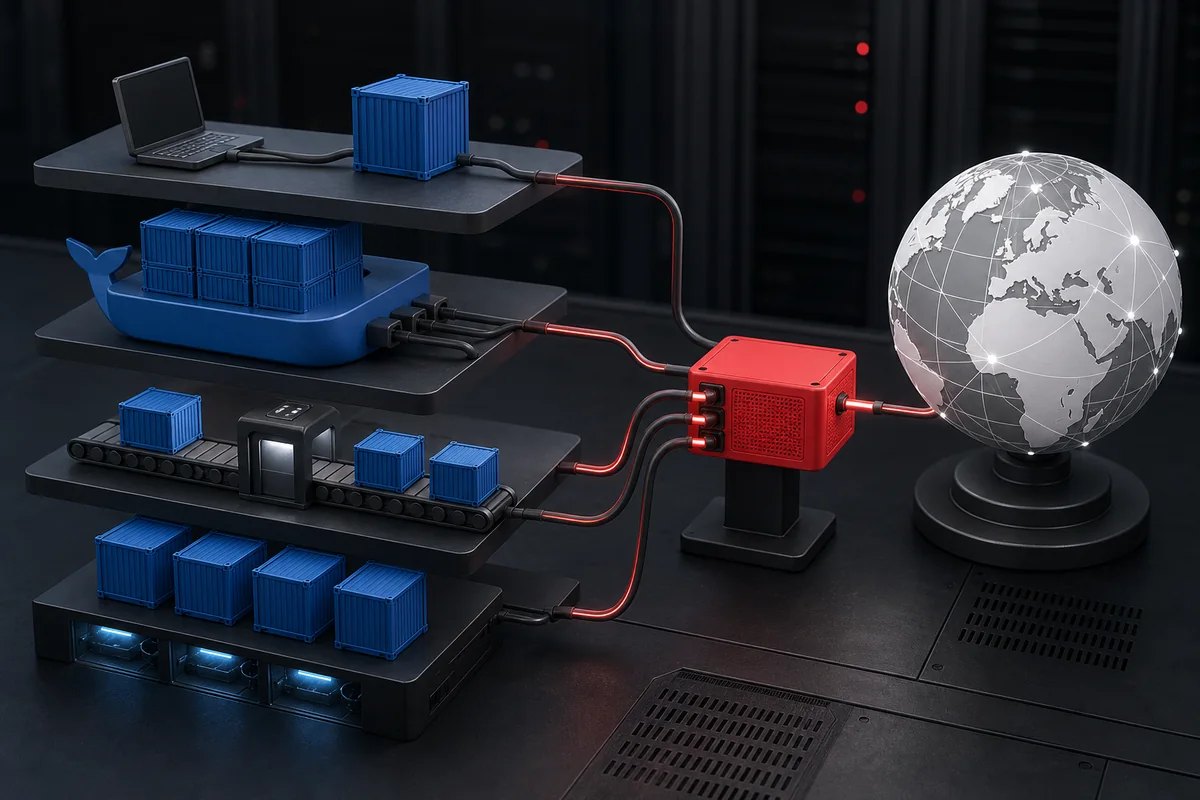
Configure the correct Docker proxy layer, use NO_PROXY precisely, keep credentials out of images, and verify pulls, builds, and running containers separately.

Configure a proxy in Puppeteer with a Chromium launch argument, supply credentials safely, verify the exit IP, and diagnose the layer that failed.

Compare proxy networks by address ownership, sourcing, performance, continuity, and consent instead of treating residential or datacenter labels as guarantees.

Build a fixed-window YouTube channel comparison from public API records, transparent calculations, missing-count coverage, and a completed report.

Track public TikTok Shop products across markets with product identity, seller matching, currency and promotion normalization, snapshots, and responsible limits.